





Hybrid Technology | The Future of Driving
Introduction to Hybrid Vehicles
Hybrid cars represent one of the most significant automotive innovations of the past few decades. By definition, a hybrid vehicle uses two or more distinct power sources to move the vehicle. In most modern hybrid cars, this means combining a conventional internal combustion engine (ICE) with one or more electric motors powered by batteries.
The idea behind hybrid technology is simple yet elegant: use each power source when it's most efficient. This intelligent power management allows hybrid vehicles to achieve better fuel economy and produce fewer emissions than their conventional counterparts, while maintaining—and sometimes exceeding—the performance drivers expect.
Did You Know?
Chevrolet has been developing hybrid technology for over 15 years, with the Volt being one of the pioneering extended-range electric vehicles that helped bring hybrid technology to the mainstream market.
The Toyota Prius, launched in Japan in 1997 and globally in 2000, was the first mass-produced hybrid vehicle. Its success demonstrated that hybrid technology could be both practical and commercially viable. Since then, nearly every major automobile manufacturer has developed hybrid models, ranging from compact cars to SUVs and even luxury vehicles.
The Core Components of a Hybrid Car
To understand how hybrid cars work, we first need to identify their key components. While designs vary between manufacturers and models, most hybrid vehicles share these fundamental elements:
1. Internal Combustion Engine (ICE)
Although typically smaller than those in conventional vehicles, the internal combustion engine in a hybrid car functions much the same way. It burns fuel (usually gasoline) to create mechanical energy. However, in a hybrid system, the engine can be optimized to operate within its most efficient range more often, as the electric components can take over when the ICE would otherwise be running inefficiently.
2. Electric Motor/Generator
Hybrid cars feature one or more electric motors that can drive the wheels, assist the engine, or both. These motors also often function as generators, converting kinetic energy back into electricity during braking or when powered by the engine. Electric motors deliver their maximum torque (rotational force) immediately, which provides excellent acceleration at low speeds—precisely when conventional engines are least efficient.
Chevrolet's Electric Motor Technology
Chevrolet hybrid vehicles utilize advanced electric motor technology designed for seamless integration with the gasoline engine, providing instant torque and responsiveness while maximizing fuel efficiency.
3. Battery Pack
The high-voltage battery pack stores electrical energy to power the electric motor. Most modern hybrids use lithium-ion batteries, though some older models use nickel-metal hydride (NiMH) technology. These battery packs are substantially larger and more powerful than the standard 12-volt batteries found in conventional vehicles, which are still present in hybrids to power accessories and computer systems.
4. Power Split Device
Many hybrid systems use a power split device. This ingenious component, often based on a planetary gear set, allows the vehicle to blend power from the engine and electric motor(s) in variable proportions, enabling the system to operate in different modes depending on driving conditions.
5. Regenerative Braking System
One of the most innovative features of hybrid cars is regenerative braking. When you apply the brakes in a conventional car, friction converts the vehicle's kinetic energy into heat, which is essentially wasted. Hybrid vehicles can recover some of this energy by using the electric motor as a generator during deceleration, converting kinetic energy back into electricity to recharge the battery.
6. Power Control Unit
This sophisticated computer system is the brain of the hybrid vehicle. It constantly monitors driving conditions, battery charge level, throttle position, and numerous other parameters to determine the optimal power source (or combination of sources) at any given moment. The control unit makes these complex calculations instantaneously, seamlessly blending power from the engine and electric motor(s) to maximize efficiency.
Different Types of Hybrid Systems
Not all hybrid vehicles work the same way. There are several different hybrid architectures, each with its own advantages and characteristics:
Parallel Hybrid Systems
In a parallel hybrid, both the internal combustion engine and the electric motor can directly power the wheels. The two power sources can work independently or in conjunction. This system is relatively simple and can be integrated into existing vehicle designs without radical changes to the drivetrain.
Series Hybrid Systems
In a series hybrid (sometimes called an extended-range electric vehicle or EREV), only the electric motor directly powers the wheels. The internal combustion engine works solely as a generator to produce electricity, which either charges the battery or powers the electric motor directly. This system allows the combustion engine to operate at its most efficient RPM range.
Chevrolet's Hybrid Innovation
Chevrolet has pioneered advanced hybrid systems that combine the best elements of both series and parallel designs, offering drivers exceptional efficiency without compromising on performance or convenience.
Series-Parallel (Power-Split) Hybrids
This sophisticated system combines elements of both series and parallel designs, allowing power to flow from the engine to the wheels either mechanically (as in a parallel hybrid) or by converting it to electricity first (as in a series hybrid). This flexibility enables the system to operate in the most efficient mode for any given situation.
Plug-in Hybrid Electric Vehicles (PHEVs)
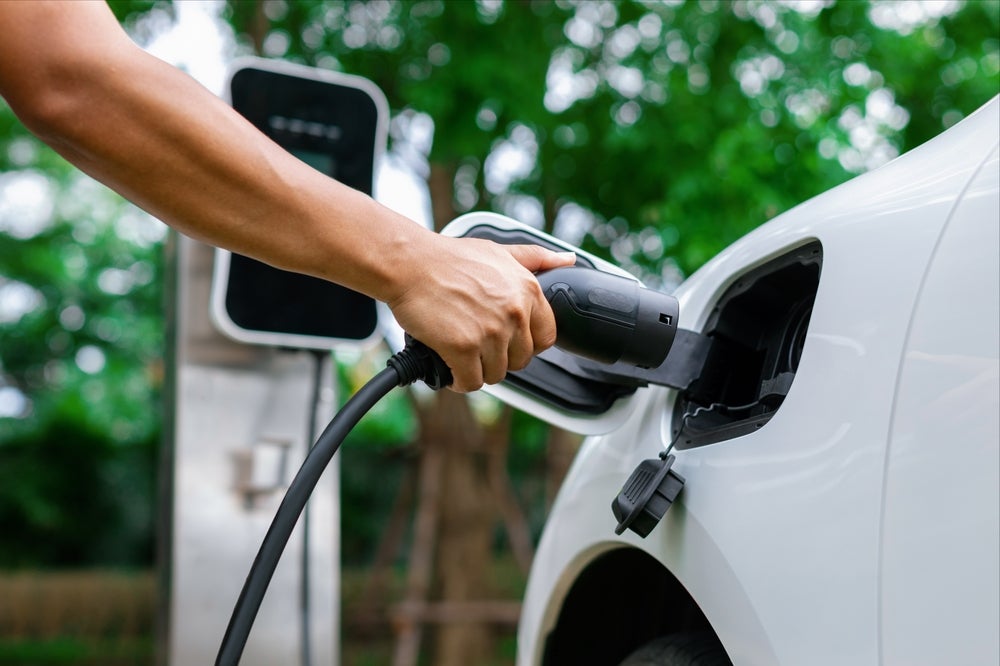
Plug-in hybrids represent a bridge between conventional hybrids and fully electric vehicles. They feature larger battery packs that can be charged from an external electricity source (like a wall outlet or charging station), allowing the vehicle to travel significant distances (typically 20-50 miles) on electric power alone before the combustion engine is needed.
How Hybrid Propulsion Works in Different Driving Scenarios
To truly understand how hybrid cars work, it's helpful to examine how they operate during different driving scenarios:
Starting and Low-Speed Driving
When you first start your hybrid car, the vehicle typically operates in electric-only mode, drawing power from the battery to run the electric motor. This allows for silent, emissions-free operation at low speeds, which is ideal for city driving and stop-and-go traffic. In most full hybrids, the combustion engine remains off until it's needed, though some systems may start the engine briefly during initial startup for system checks or in cold weather.
Acceleration and Higher-Speed Driving
As you press more firmly on the accelerator or reach higher speeds, the internal combustion engine starts automatically. Depending on the hybrid system design and driving demands, the engine may:
- Directly power the wheels
- Generate electricity to power the electric motor, which drives the wheels
- Work in conjunction with the electric motor to provide combined power
The power control unit constantly calculates the most efficient power distribution based on factors like speed, acceleration demand, battery charge, and engine efficiency. This process happens seamlessly, without requiring driver intervention.
Highway Cruising
During steady highway driving, hybrid vehicles typically rely primarily on the internal combustion engine, as it operates most efficiently at consistent higher speeds. The electric motor may still contribute power under certain conditions, such as when passing or climbing hills. In some systems, the engine may also generate excess electricity to recharge the battery while cruising.
Deceleration and Braking
When you lift your foot off the accelerator or apply the brakes, the hybrid system activates regenerative braking. The vehicle's wheels drive the electric motor, which now functions as a generator, converting kinetic energy into electricity that's stored in the battery. The power control unit balances regenerative braking with conventional friction braking to ensure smooth, effective deceleration while maximizing energy recovery.
Advantages of Hybrid Technology
The sophisticated integration of combustion and electric propulsion offers several significant advantages:
Improved Fuel Economy
The primary benefit of hybrid technology is reduced fuel consumption. By using the electric motor when the combustion engine would be least efficient (during starting, low-speed driving, and idling) and recovering energy through regenerative braking, hybrids can achieve substantially higher MPG figures than their conventional counterparts.
Reduced Emissions
Better fuel efficiency directly translates to lower carbon dioxide emissions. Additionally, the ability to operate in electric-only mode, particularly in low-speed urban environments, reduces local pollutants like nitrogen oxides and particulate matter.
Chevrolet's Commitment to Sustainability
Chevrolet hybrid vehicles are designed not just for performance and efficiency, but also with environmental responsibility in mind. Our hybrid technology represents an important step in our commitment to a more sustainable automotive future.
Enhanced Driving Experience
Electric motors deliver instant torque, providing responsive acceleration from a standstill. This characteristic can make hybrid vehicles feel more powerful during everyday driving than conventional vehicles with similar specifications.
Lower Operating Costs
While hybrid vehicles typically cost more to purchase than their conventional counterparts, the long-term economics often favor hybrids. Reduced fuel consumption translates to savings at the pump, and many hybrids experience less wear on their braking systems thanks to regenerative braking.
Lou Bachrodt Chevrolet Serving Rockford, IL Knows Hybrid
Hybrid vehicles represent one of the most successful automotive innovations of the 21st century, delivering meaningful efficiency improvements through the clever integration of complementary propulsion technologies. By combining the strengths of internal combustion engines and electric motors while mitigating their respective weaknesses, hybrid systems offer a practical pathway toward more sustainable transportation.
As battery technology improves and manufacturing scales up, we can expect hybrid systems to become even more efficient, affordable, and capable. Whether as a destination technology in its own right or as a bridge to a fully electrified automotive future, hybrids have secured their place in transportation history as a transformative technology that helped the industry address its environmental impact without compromising the mobility that consumers demand. For more information about hybrid and electric technology, visit Lou Bachrodt Chevrolet serving Rockford, Elgin, and Rochelle, IL.